

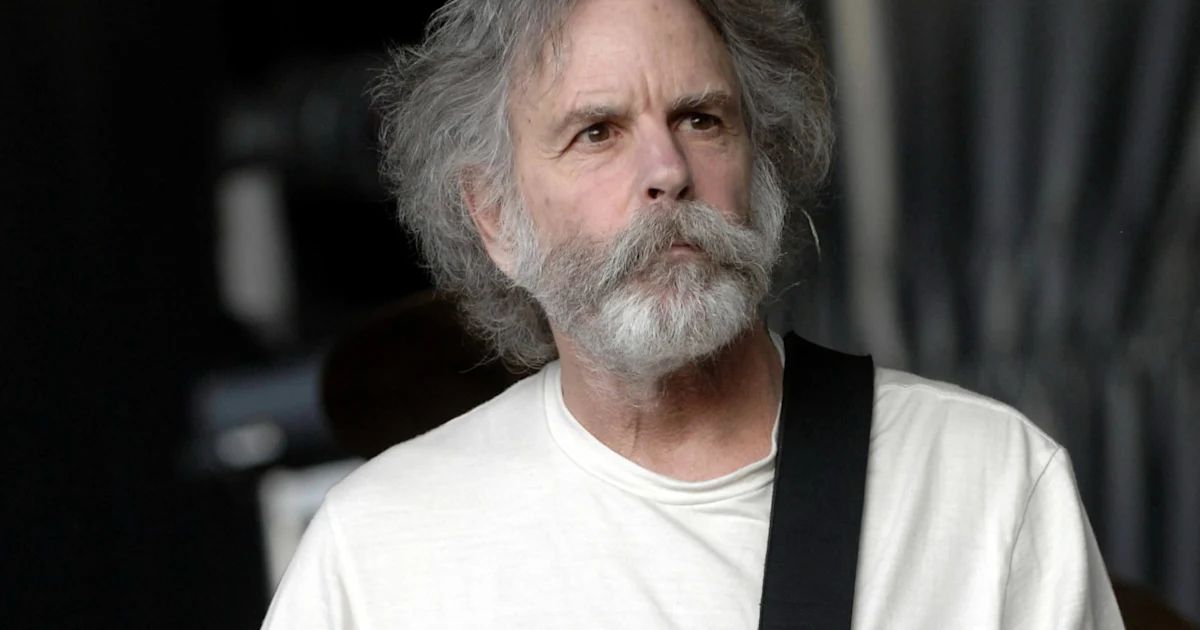
Few musicians shaped the psychedelic rock era like Bob Weir, and discussions about Bob Weir net worth often reveal the financial success behind his legendary career. As a founding guitarist of Grateful Dead, Weir spent decades performing in sold-out arenas, recording influential albums, and building a loyal global fan base. His role as a rhythm guitarist and co-vocalist helped define the band’s distinctive improvisational sound.
Over the years, his music career expanded beyond the Grateful Dead into projects like Dead & Company and RatDog. These ventures, along with concert tours, music royalties, album sales, and streaming revenue, steadily increased his wealth. The combination of touring success and long-term royalties created a lasting financial legacy.
Understanding Bob Weir’s fortune requires looking beyond numbers. His earnings reflect decades of influence in rock music, partnerships with musicians like Jerry Garcia, and a cultural movement that reshaped the live-music industry.
Bob Weir Biography (Wiki Table)
| Attribute | Details |
|---|---|
| Full Name | Robert Hall Weir |
| Birthdate | October 16, 1947 |
| Age | 78 years (2026) |
| Height | 5’11” (180 cm) |
| Birthplace | San Francisco, California, USA |
| Profession | Musician, Songwriter, Guitarist |
| Net Worth | $60 Million |
| Spouse | N/A (private) |
| Children | 3 |
| Years Active | 1965 – 2026 |
Bob Weir Net Worth in 2026
| Category | Details |
|---|---|
| Estimated Net Worth | $60 Million |
| Profession | Musician, Songwriter, Guitarist |
| Main Income Sources | Touring, Royalties, Album Sales |
| Notable Band | Grateful Dead |
| Active Years | 1965 – 2026 |
Estimated Net Worth and Financial Snapshot
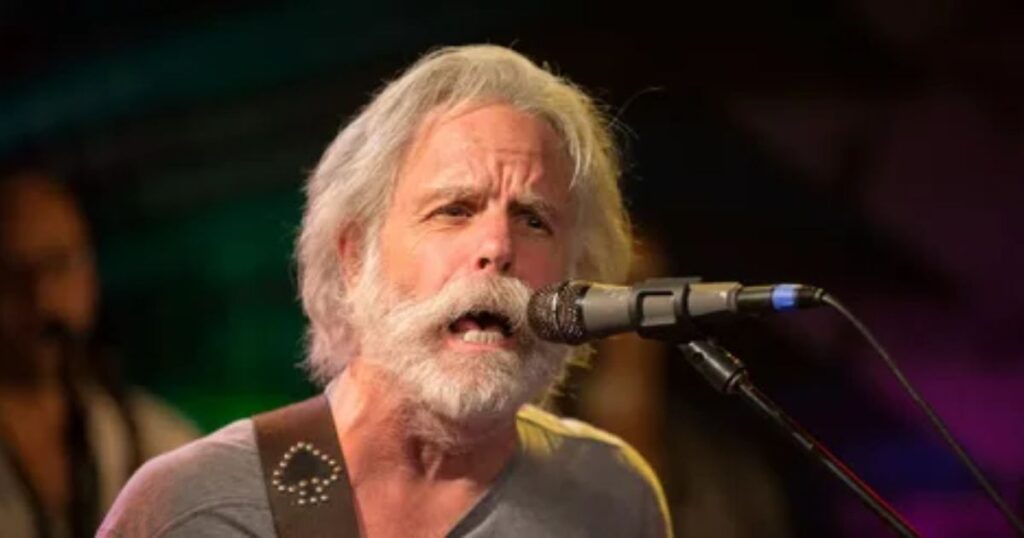
Bob Weir net worth in 2026 is widely estimated at around $60 million. This wealth comes from decades of touring, songwriting credits, and music royalties generated from his work with the Grateful Dead. His reputation as a pioneering guitarist helped maintain strong demand for live performances.
The band’s massive touring history created substantial income over the years. Concert ticket sales, merchandise, and concert tour earnings contributed heavily to his fortune. These revenue streams continued even after the band’s original era ended.
In addition to performances, album sales revenue, streaming income, music licensing, and touring profits strengthened his financial portfolio. These diverse earnings explain why discussions about Bob Weir net worth remain common in rock music history.
Net Worth Growth Throughout His Career
Bob Weir’s wealth grew gradually as his musical career expanded. During the early years of the Grateful Dead, income mainly came from small concerts and limited record sales. However, the band’s reputation for powerful live shows soon increased demand for tours.
By the 1970s and 1980s, larger venues and global tours dramatically boosted revenue. The success of albums like American Beauty and Workingman’s Dead increased songwriting royalties, record sales, and concert revenue.
Later projects such as Dead & Company, featuring musicians like John Mayer, revived touring success in modern arenas. These tours generated strong live performance income, merchandise sales, and tour profits, adding to Bob Weir net worth.
Read more : Bob Casey Jr Net Worth 2026– Shocking Financial Details
Early Life and Education
Bob Weir was born in San Francisco and grew up surrounded by the emerging American rock scene. From a young age, he developed a passion for guitar, influenced by folk and early rock music. These formative years shaped his unique rhythm style that later defined the Grateful Dead sound.
He attended local schools while refining his musical skills and participating in small local bands. Collaborations with peers during high school and college nurtured his songwriting abilities. The combination of formal education and practical music experience laid the foundation for a professional music career.
Early exposure to diverse music genres helped Weir develop a versatile style. His interest in jazz, blues, and folk gave him the ability to experiment with improvisation. This versatility became a hallmark of his later concert tours and recordings.
Career Beginnings
Bob Weir began performing professionally in the mid-1960s. His first major collaboration was with Jerry Garcia, forming the foundation for what would become the Grateful Dead. Early gigs were modest but crucial for building performance skills.
Weir’s talent for rhythm guitar and harmony vocals quickly became evident. These skills set him apart as a key band member and contributed to early songwriting efforts. Initial recordings and live performances established him as a promising young musician in the San Francisco rock scene.
By the late 1960s, Weir and his bandmates had started recording albums while touring small venues. These early experiences built the framework for album sales, music royalties, and eventual long-term revenue streams that would contribute to Bob Weir net worth.
Early Life and Musical Beginnings
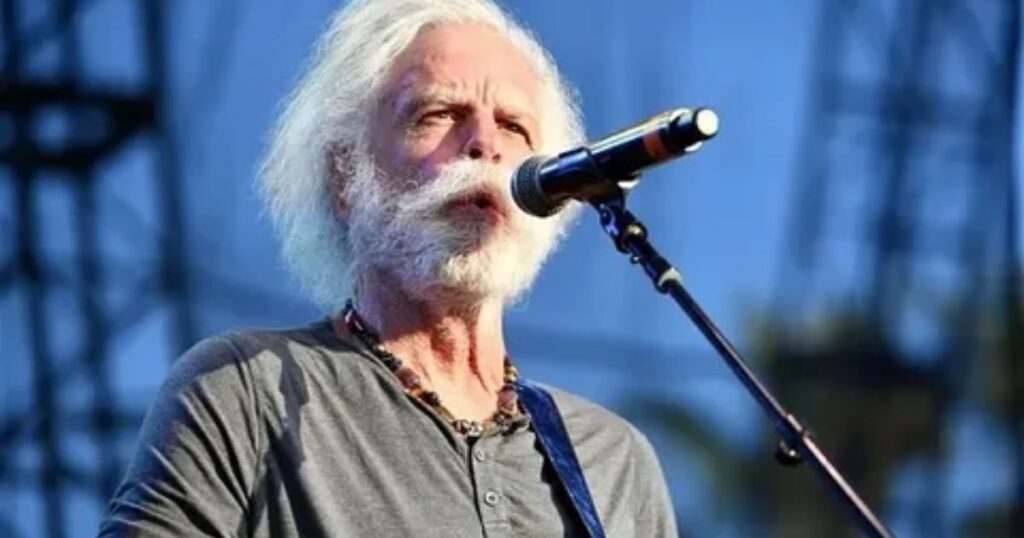
Bob Weir’s formative years in San Francisco played a crucial role in shaping his musical identity. From childhood, he showed a keen interest in guitar, influenced by folk and early rock. These early experiences cultivated a sense of rhythm and improvisation that would later define his work with the Grateful Dead.
During high school, Weir formed several small bands and experimented with different styles. His exposure to live performances and local music scenes strengthened his technical skills and stage presence. Participation in local gigs also introduced him to potential collaborators who would become pivotal in his career.
By the time he met Jerry Garcia, Weir had already developed a solid musical foundation. Their shared vision and complementary talents laid the groundwork for a band that would revolutionize live rock performances. Early collaborations also initiated income streams through small gigs, hinting at the financial trajectory that would later contribute to Bob Weir net worth.
Childhood and Education
Bob Weir’s early education was intertwined with music. While attending school in San Francisco, he balanced academics with guitar practice and songwriting. Exposure to jazz and blues during this period added versatility to his playing style.
His teenage years were marked by experimentation with folk and rock genres. Performing in small local venues allowed him to refine techniques in rhythm guitar, harmonies, and live improvisation. This combination of education and musical exploration became the foundation for later concert tours, album sales, and music royalties.
Meeting Jerry Garcia and Forming a Band
The meeting between Bob Weir and Jerry Garcia was pivotal for rock history. Their shared love for improvisational music led to early performances that emphasized rhythm, creativity, and audience engagement.
Together, they started recording songs that blended folk, rock, and blues influences. These experiments laid the foundation for the Grateful Dead, generating early fan interest and local performance revenue. Small gigs, recording sessions, and songwriting credits during this period contributed to the initial growth of Bob Weir net worth.
Rise to Fame With the Grateful Dead
Bob Weir’s rise to fame began in the mid-1960s with the formation of the Grateful Dead. The band quickly became known for its improvisational style and eclectic blend of folk, rock, and blues. Their innovative live performances attracted a growing fanbase, setting the stage for both artistic recognition and financial success.
During the 1960s and 1970s, the Grateful Dead toured extensively, performing hundreds of concerts each year. These concert tours, combined with merchandise sales and album sales, created a strong income foundation for band members, contributing significantly to Bob Weir net worth. The band’s reputation for unforgettable live shows also enhanced their cultural influence.
Albums like American Beauty and Workingman’s Dead cemented their legacy. These recordings generated songwriting royalties, streaming revenue, and touring profits that continued to benefit Weir decades later. The combination of creative output and strategic touring helped the band dominate the live-music scene.
Formation of the Band and Early Years
The Grateful Dead emerged from the vibrant San Francisco music scene, blending psychedelic rock and improvisational jams. Bob Weir’s rhythm guitar work complemented Jerry Garcia’s lead style, creating a signature sound.
Early shows at small venues helped the band refine performance dynamics while attracting a loyal following. These gigs laid the groundwork for album sales, merchandise income, and early revenue streams that eventually increased Bob Weir net worth.
Breakthrough Albums and Touring Success
By the late 1960s, the Grateful Dead released landmark albums that resonated with fans and critics alike. Hits like Truckin’ and Sugar Magnolia showcased the band’s versatility and attracted widespread attention.
Touring became a major revenue source. Multi-night engagements at iconic venues, combined with live recordings, strengthened income from concert tours, ticket sales, and royalties, all of which contributed to the financial growth of Bob Weir net worth.
Bob Weir’s Career Beyond the Grateful Dead
After the original era of the Grateful Dead, Bob Weir continued to expand his musical career through several side projects. Bands like Dead & Company, RatDog, and Furthur allowed him to reach new audiences. These ventures contributed to ongoing touring revenue, music royalties, and album sales, further increasing his net worth.
Weir’s collaborations with other musicians, including John Mayer, helped maintain relevance in the modern rock scene. Concerts from these bands consistently drew large crowds, generating live performance income, merchandise sales, and additional touring profits. The combination of legacy and contemporary projects ensured his career earnings remained strong.
Side projects also explored diverse musical styles, from rock to jazz-infused improvisation. This versatility not only enhanced his reputation but also opened multiple income streams. These included streaming revenue, songwriting royalties, and licensed music performances, all vital components of Bob Weir net worth.
Dead & Company and Modern Touring Success
With Dead & Company, Bob Weir reintroduced classic Grateful Dead music to younger audiences. Tours with the band generated substantial ticket revenue and merchandise sales.
The group also leveraged digital streaming of live shows, creating ongoing royalty income. This modern approach to performance and recording significantly bolstered Bob Weir net worth, demonstrating adaptability in the evolving music industry.
Side Projects and Collaborations
Bob Weir explored other projects beyond his main bands, including RatDog and collaborations with various rock and jazz artists. These ventures expanded his musical influence while producing additional income.
Live shows, recordings, and collaborations created continuous streams of album sales revenue, concert tour earnings, and songwriting royalties. Each project reinforced Weir’s long-term financial growth, maintaining his status as a highly successful rock musician.
Bob Weir Income Sources
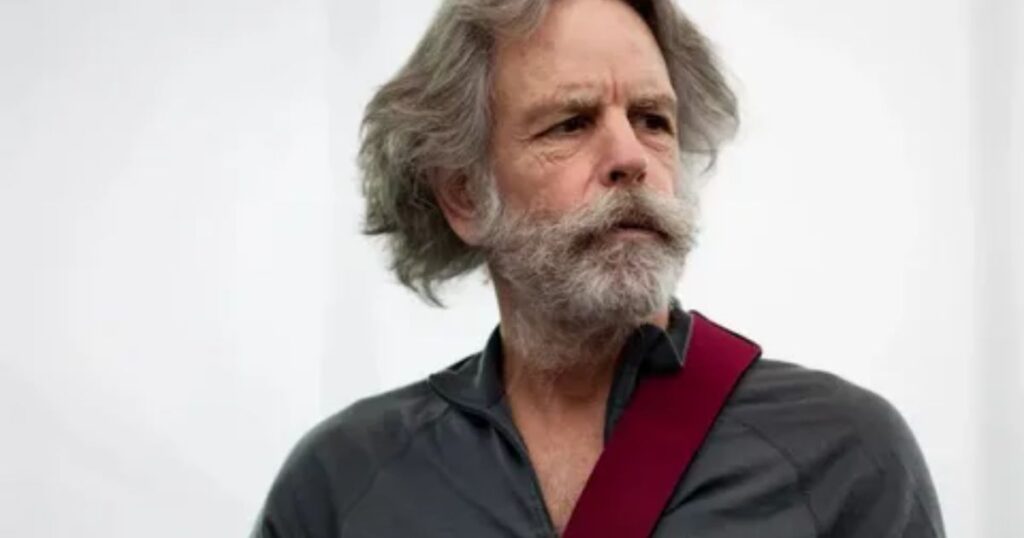
Bob Weir’s financial success comes from multiple streams connected to his decades-long career. Touring revenue from both the Grateful Dead and modern projects like Dead & Company forms a significant portion of his income. These tours generated high ticket sales and substantial merchandise revenue, supporting his overall wealth.
In addition to live performances, album sales and music royalties have been consistent income sources. Classic albums such as American Beauty continue to earn royalties from physical sales, streaming platforms, and licensing deals. These ongoing earnings have been essential in maintaining Bob Weir net worth over the decades.
Other streams include songwriting royalties, music licensing, and occasional collaborations. Together with touring and sales, these income sources create a diversified financial portfolio. Streaming revenue, licensed performance earnings, and live concert profits illustrate how Weir’s creative work directly translates into long-term wealth.
Album Sales and Music Royalties
Weir’s participation in iconic albums contributes heavily to ongoing royalties. Every reissue, streaming play, and licensing agreement generates revenue. Album sales revenue and songwriting royalties are reliable income pillars.
Even decades after release, classic songs from Grateful Dead albums earn consistent royalties. The combination of legacy music and contemporary digital platforms ensures Weir continues to benefit financially from his catalog.
Concert Touring Revenue
Bob Weir’s touring career spans decades, generating large-scale revenue. Both historic Grateful Dead tours and modern Dead & Company shows drew thousands of fans per concert. Touring profits, ticket sales, and merchandise revenue all contribute to his ongoing wealth.
Live performances also drive secondary income streams, such as limited edition merchandise and live recording sales. These combined concert tour earnings strengthen the foundation of Bob Weir net worth.
Merchandise and Licensing Deals
Merchandise sales, including clothing, posters, and collectibles, provide additional revenue. Fans worldwide purchase these items at concerts and online stores, increasing merchandise revenue.
Music licensing for films, commercials, and streaming platforms generates another consistent income source. Together with touring income, royalties, and album sales, these deals create a diversified portfolio that sustains Bob Weir’s financial success.
Real Estate and Asset Portfolio
Bob Weir has invested his earnings in high-value properties across California. He owns homes in Mill Valley and Stinson Beach, both renowned for scenic views and luxury living. These properties add significant value to his overall net worth.
His real estate portfolio includes beachfront estates and private residences, reflecting both personal taste and investment acumen. In addition to primary homes, Weir has occasionally invested in rental properties, providing steady income alongside his music revenue streams.
Investments in property complement his other assets, such as royalties and touring income. By diversifying into real estate holdings, Weir secures wealth beyond music earnings, making his financial portfolio more resilient and long-term.
Luxury Homes and California Properties
Weir’s residences showcase his affinity for scenic locations. His Mill Valley home offers privacy while staying connected to the San Francisco music scene. Meanwhile, his Stinson Beach estate provides coastal luxury and occasional rental income.
These investments also act as financial assets, increasing the net worth value over time. Combined with music royalties and tour earnings, his California properties reinforce a strong overall financial position.
Investment Assets and Property Value
Beyond homes, Weir has strategically invested in other assets. These include smaller real estate ventures and interest in music-related holdings. Each property and investment contributes to a well-diversified portfolio, ensuring his financial stability.
Through a combination of high-value real estate, merchandise revenue, and touring profits, Bob Weir maintains a secure and growing net worth that reflects decades of success in the music industry.
Bob Weir Net Worth Compared to Other Grateful Dead Members

Bob Weir’s wealth is often compared with other members of the Grateful Dead, such as Jerry Garcia and Phil Lesh. While all founding members earned substantial income from touring and royalties, Weir’s involvement in multiple modern projects helped maintain a strong financial position even after Garcia’s passing.
Jerry Garcia’s estate was valued higher at the time of his death due to extensive touring revenue and property holdings. However, Weir’s active participation in Dead & Company tours and side projects like RatDog allowed him to generate ongoing income, keeping his net worth competitive within the band.
Comparing financial growth among band members highlights how diversification of projects impacts long-term wealth. Merchandise revenue, music royalties, and concert tour earnings played critical roles in maintaining financial parity, demonstrating how Bob Weir net worth reflects both legacy and modern career initiatives.
Wealth Comparison
While Jerry Garcia’s estate reportedly exceeded $100 million, Bob Weir maintains an impressive net worth of approximately $60 million. Phil Lesh and other bandmates earned comparable sums, but Weir’s continued touring ensured consistent revenue streams.
The differences reflect variations in album ownership, touring schedules, and side project participation. Weir’s proactive career choices, including collaborations with John Mayer, illustrate how strategic projects influence long-term financial outcomes.
Band Financial Success
The Grateful Dead as a band generated significant wealth for all members through decades of touring, live recordings, and merchandise. Their collective success underscores the importance of live performances and fan engagement in building sustainable income.
Bob Weir’s personal wealth growth mirrors this model, with touring revenue, album sales, and merchandise income providing a diversified financial base. His career demonstrates the lasting value of participation in both historical and contemporary music projects.
Personal Life and Family
Bob Weir has maintained a relatively private personal life despite his fame. He has three children and has balanced family responsibilities with a demanding music career. His focus on privacy ensures that his personal relationships remain shielded from public scrutiny, even as his financial success continues to draw attention.
Weir’s lifestyle reflects his lifelong dedication to music and culture. He enjoys California’s scenic locations, including his homes in Mill Valley and Stinson Beach, where he can relax between tours. These residences contribute both to personal comfort and to his asset portfolio.
In addition to family life, Weir actively supports music-related charitable initiatives and participates in mentorship programs for young musicians. This involvement enhances his public image and complements his legacy, alongside the enduring financial benefits from his career earnings.
Marriage and Family Life
Bob Weir has had relationships that shaped his family structure. While he keeps details private, it is known that his children are an important aspect of his life. Maintaining a balance between touring schedules and family time has been a priority throughout his career.
His personal stability has allowed him to focus on musical projects while ensuring his family benefits from both his wealth and mentorship. The combination of financial success and personal focus exemplifies how musicians can balance legacy and lifestyle.
Lifestyle and Interests
Beyond music, Weir enjoys outdoor activities and cultural events in California. His homes provide scenic retreats for relaxation, writing, and music practice.
These lifestyle choices also align with his investments in real estate and personal assets. They reflect a thoughtful approach to financial planning, supplementing income from concert tours, royalties, and album sales, which contribute to Bob Weir net worth.
Bob Weir’s Legacy in Rock Music
Bob Weir’s impact on rock music extends far beyond his financial success. As a founding member of the Grateful Dead, he helped shape the psychedelic rock era and influenced countless musicians worldwide. His rhythm guitar style, improvisational skills, and songwriting contributed to the band’s distinctive sound.
Weir’s work with Dead & Company and side projects ensured that his influence persisted into modern rock. Touring, live performances, and collaborative recordings created a continuous presence in the music industry. These endeavors reinforced his role as a cultural icon while sustaining album sales, touring revenue, and music royalties.
Legacy also includes mentorship and cultural preservation. Weir’s contributions have inspired new generations of musicians, preserved the improvisational rock tradition, and strengthened the financial and creative value of the Grateful Dead catalog, enhancing Bob Weir net worth.
Influence on Modern Musicians
Many contemporary rock and jam bands cite Bob Weir as an inspiration. His innovative guitar techniques and performance style have shaped both live concerts and studio recordings.
Through collaborations and mentorship programs, Weir helped maintain the improvisational approach in modern music. This ongoing influence reinforces his reputation and adds value to his creative works, sustaining financial and cultural relevance.
Cultural Impact and Recognition
Bob Weir’s role in the psychedelic rock movement established him as a lasting figure in music history. His contributions are celebrated in documentaries, music festivals, and industry awards.
This recognition extends to the commercial success of his recordings and tours. The combination of cultural impact and strategic career management contributed to a robust income stream and long-term Bob Weir net worth.
FAQ Section
What is Bob Weir net worth in 2026?
Bob Weir net worth is estimated at around $60 million. His wealth comes from decades of touring revenue, album sales, music royalties, and side projects. These combined earnings reflect both his historical and modern musical influence.
How did Bob Weir make his money?
Weir earned money through his work with the Grateful Dead, as well as projects like Dead & Company and RatDog. Key income sources include concert tours, merchandise sales, streaming royalties, and licensing deals.
What bands did Bob Weir play in?
Bob Weir was a founding member of the Grateful Dead. He also played in Dead & Company, RatDog, and Furthur, collaborating with musicians such as John Mayer. These bands contributed to both his musical legacy and financial success.
How does Bob Weir net worth compare to other Grateful Dead members?
While Jerry Garcia’s estate was larger, Weir’s participation in ongoing projects kept his net worth around $60 million. His touring revenue, album royalties, and side project earnings kept him financially competitive with fellow band members like Phil Lesh.
What are Bob Weir’s main income sources?
Primary sources include concert tours, music royalties, album sales, merchandise revenue, and music licensing. These diversified streams ensure consistent financial growth over decades.
Conclusion
Bob Weir’s career demonstrates how musical talent, innovation, and strategic projects create lasting success. From his early days in San Francisco to pioneering work with the Grateful Dead, he shaped the sound of psychedelic rock while building substantial wealth.
His diverse income streams—including touring revenue, album sales, music royalties, and merchandise income—reflect decades of dedication and adaptability. Projects like Dead & Company further strengthened both his financial position and cultural legacy.
Ultimately, Bob Weir net worth is more than a number; it represents a lifetime of artistic influence, successful collaborations, and a profound impact on modern rock music. His legacy continues to inspire musicians and fans alike, proving that creativity and smart career management go hand in hand.

Khan is a digital publishing expert who transforms complex topics into simple, engaging articles backed by data and real-world insights
1 thought on “Bob Weir Net Worth 2026: Rock Legend Fortune”